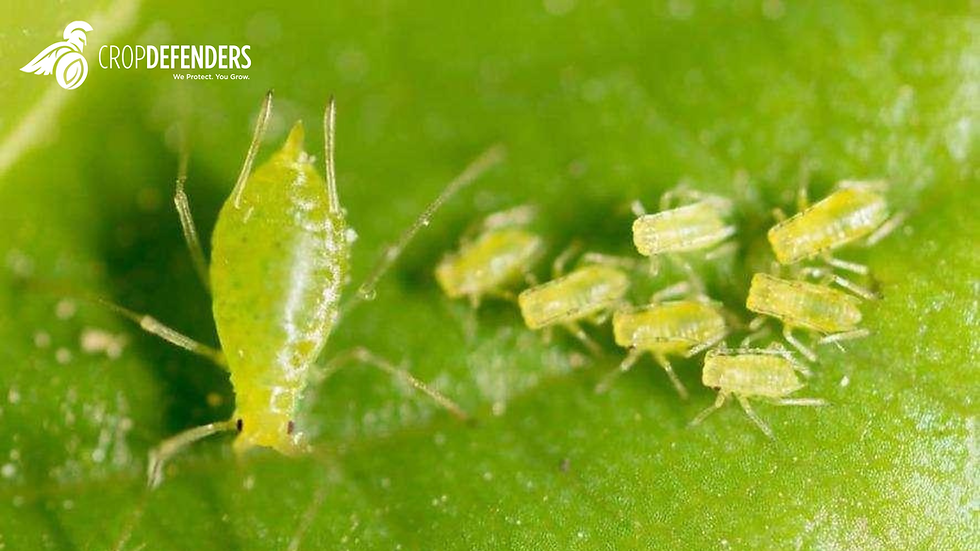
Your Last Crop Left Something Behind
Most carryover pressure does not look like a problem at cleanout. It looks like a clean house.

The old crop is out. The house looks good. Everyone wants to get the new one started.
And within three weeks of planting, the team is already reacting to pest pressure that should not be there yet.
A lot of early-crop pressure does not start because the new crop brought something in. It starts because cleanout was treated as a sanitation task — a visual pass — rather than a pest-reset task. The house looks fine. But the exact conditions that caused trouble last cycle are still there, waiting in the spots that are easy to miss: under bench frames, in drain zones, along perimeter edges, in old hotspot areas that got cleared around instead of cleared out.
The pressure was already established before the new plants arrived. The crop inherited the last cycle's problem on day one.
The practical takeaway is this: cleanout is not finished when the house looks clean. It is finished when the known carryover zones have been checked and confirmed as low-risk.
That is a different standard, and it changes how the reset actually gets done.
Instead of asking, Did we clean? — ask, Did we clear the places this pest would realistically survive?
That question forces the work to follow the biology, not the broom.
Micro-plan

Name the carryover risk first. Before cleanout starts, write down the main pressure from the last cycle. If the problem was thrips, spider mites, or aphids, the reset should be organized around how that pest survives and where it hides — not around a generic checklist. The species matters because the survival zones are different for each one.
Walk by risk zone, not by appearance. The places that need the hardest look are not the places that look messiest. They are the places where plant material, moisture, or debris tends to accumulate unnoticed: gutter runs, bench undersides, drain areas, structural corners, edge rows, and any zone that was a hotspot last cycle. Give those places more time than the open floor gets.
Do one final reset walk after cleanup, not during it. Before the new crop arrives, one person from growing and one from IPM should walk the space together and answer one question: "If pressure shows up in the first two weeks, where is it most likely coming from?" If they can still point to unresolved spots, the reset is not finished.
What Good Looks Like
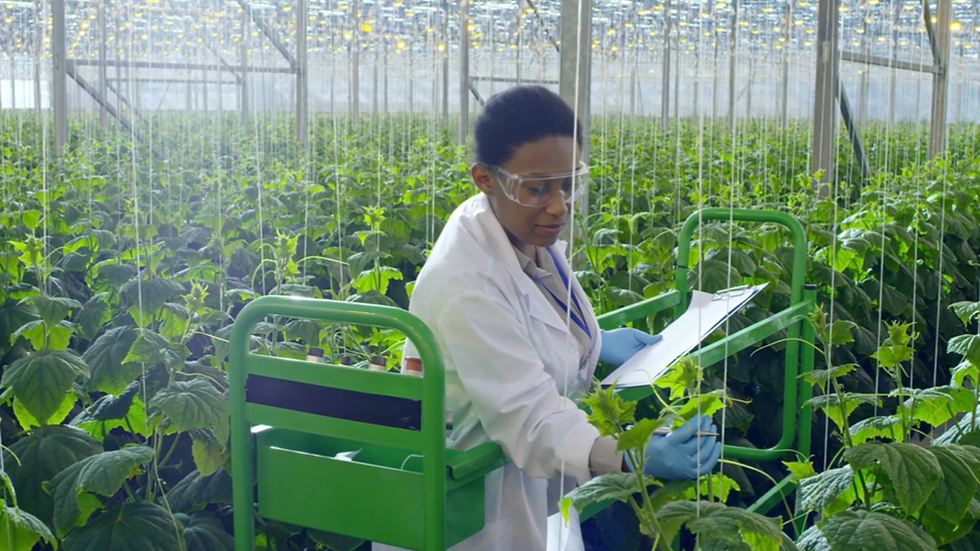
The team can point to the old hotspot zones and say, with confidence, that those areas were checked. The first scouting passes in the new crop are calm and confirmatory — not full of surprises that the team immediately recognizes as carryover. When pressure does emerge, it appears as something new and manageable, not as something already established before the crop started.
A useful checkpoint: could your scout and your grower independently describe the main carryover risk from last cycle and where they looked for it? If yes, the reset was a pest reset. If not, it was a sanitation pass.
Your Next Step
Reply and tell us which areas in your greenhouse are most likely to hide carryover pressure. We'll help you pressure-test those spots before the next crop starts — while there is still time to do something about them.