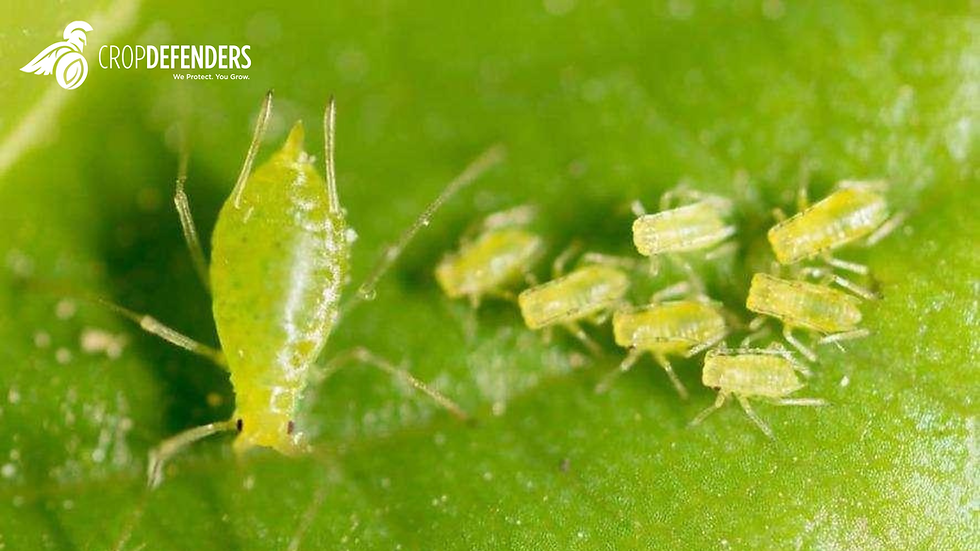
Why Thrips Gets Ahead Even When You're Doing the Work
The frustration is not that nothing was done. It is that one move was expected to do the work of three.

If your thrips program feels like it is always catching up, that is usually not a sign of neglect.
Most teams dealing with persistent thrips pressure are actually doing quite a bit — releasing, monitoring, responding. The problem is that everything is happening in reaction, and thrips does not require neglect to get ahead. It requires only a timing gap, a missed early pocket, or a single zone that does not get layered protection before visible pressure arrives.
Thrips is fast, mobile, and cheap to establish. One generation changes the picture. By the time counts rise noticeably in a hot zone, the population is already not local anymore.
That is why a team can feel busy and still lose ground.
The practical takeaway is this: thrips control improves when you stop responding to single moments and start building a layered defense across timing, area, and follow-through.
The goal is not to find the one right intervention. The goal is to make sure early pressure never gets the runway it needs to become a crop-level problem.
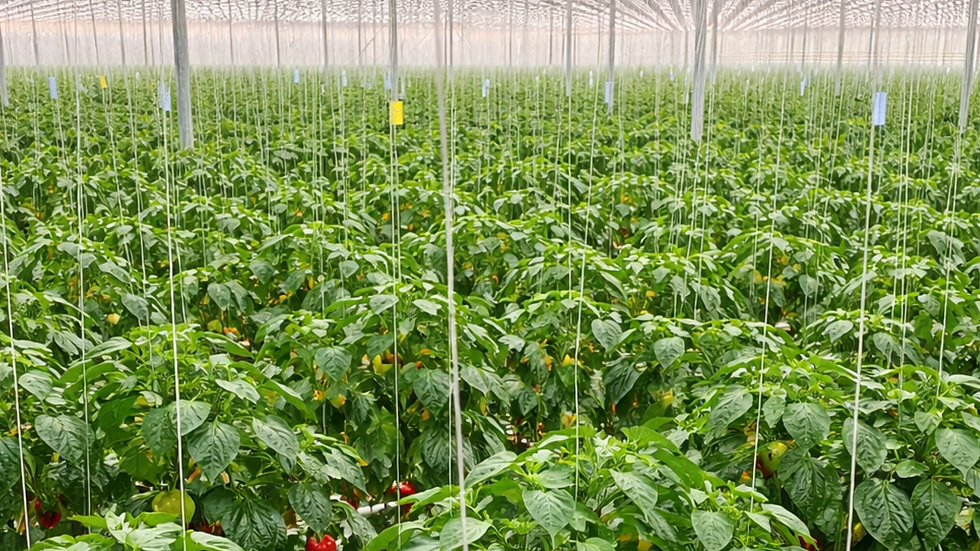
Micro-plan
Know your first-fire zones. Every greenhouse has areas that light up first — specific rows, entry areas, known hotspots, or crop stages that attract early pressure. Name them. Manage them differently than the rest of the house. Do not treat a high-risk zone like a low-risk zone because the spray went on last week.
Layer before it feels necessary. The teams that stay steadier are usually not waiting for visible spread. They are already protecting the likely problem zones before pressure looks serious. This is harder to maintain psychologically — it requires confidence in the logic when the numbers still look calm — but it is far more effective than reacting to counts that are already rising.
Review spread pattern, not just counts. The weekly question should not only be "are the numbers up or down?" It should be "is this pressure staying local, or is it moving?" A flat count in a zone that has just started appearing in a neighboring row is not a stable situation. Movement is the early signal that the layer is not holding.

What good looks like
You know the program is improving when new pressure consistently shows up as small, recognized pockets — not broad surprises. You know it is working when a flare in one zone does not pull the rest of the house into reactive mode. And you know it is working when the team can explain, with confidence, why one zone is being managed differently from another, because the map reflects actual risk, not a flat approach.
Counts matter. But containment is the real standard.
Your Next Step
Reply with the area of your greenhouse that tends to flare first on thrips. We'll help you think through how to layer protection there earlier — before the season puts that zone under pressure again.