Scouting That Doesn't Change Anything Is Just Observation
Most teams do not need to scout more. They need what they find to trigger something.
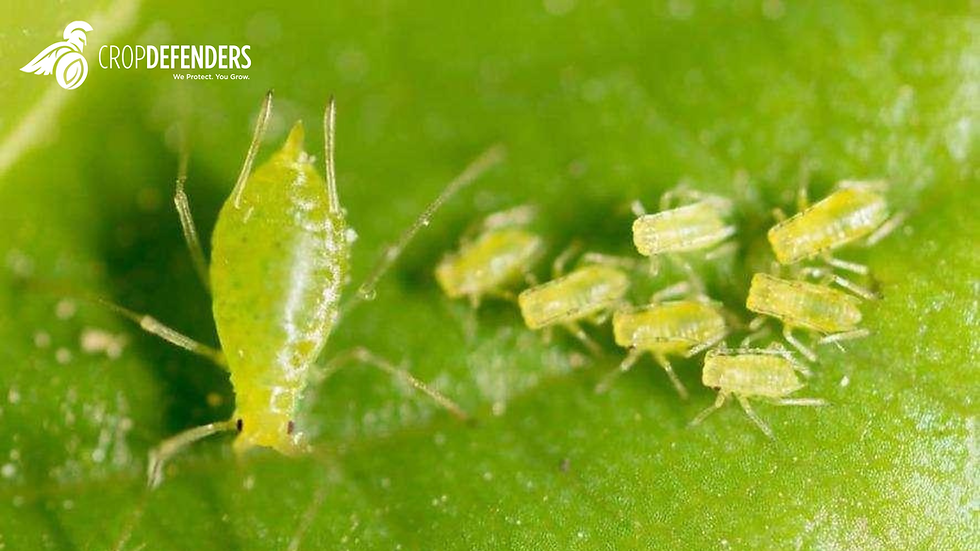
In most operations, scouting is happening. The team is walking the crop, noting pressure, recording what they see. The problem is not the frequency or the effort. The problem is what comes next.
In a lot of greenhouses, scouting stops at the observation stage. Pressure is noted. Numbers go into a sheet or a conversation. People agree it matters. Then labor priorities shift, the week moves on, and the response — if it comes — comes late enough that local pressure has had time to spread.
The crop does not benefit from knowing where the pressure is. It benefits from what happens after that.
The practical takeaway is this: every scouting pass should end with a decision tied to a place, a time, and a person — not just an observation tied to a number.
That is the difference between scouting that is informational and scouting that is operational. Both require the same walk. Only one of them changes what happens to the crop.

Micro-plan
Require every scouting pass to answer three questions. What did we find?
Where exactly is it? What changes now? If the pass cannot answer all three, it is incomplete from an operations standpoint. The third question is the one that usually goes missing — and it is the only one that protects the crop.
Use simple zone language that everyone understands. Not every operation needs a complex threshold model. Many teams improve significantly with a three-zone system: stable, watch closely, act now. What matters is that everyone — grower, supervisor, crew — knows what each label triggers. If the zone label means different things to different people, it will not drive consistent action.
Close the loop at the next pass. The following scouting visit should not start from zero. It should begin by confirming whether the previous action changed the zone. Did the area move from "act now" to "watch closely," or did it stay where it was? That feedback loop is what turns scouting into a system rather than a series of disconnected notes.

What good looks like
The grower, scout, and supervisor can independently describe the same current status for the same zone. Hotspots are mapped, not just remembered. Follow-up happens in the same areas that were flagged last time. And pressure is being addressed while it is still local — not after it has had a week to become a broader problem.
A useful team alignment check: after the next scouting pass, ask whether the scout, the grower, and the supervisor all know what zone the worst area is in and what changes because of that. If they all give the same answer, the system is working.
Your Next Step
Reply with one scouting note that tends to sit without a clear next move in your operation. We'll help you turn it into a specific action trigger for the next pass.


